Life Begins After Coffee Typography
As a designer who’s spent years working with machine embroidery designs, I always start by evaluating a new file based on its visual appeal, practicality, and how it translates to real-world use. Life Begins After Coffee Typography caught my attention for its clean, modern aesthetic and the way it fits into a variety of projects. But like any design, it has strengths and limitations that need to be considered before using it in an actual embroidery project.
The First Impression: A Design That Speaks to Coffee Lovers
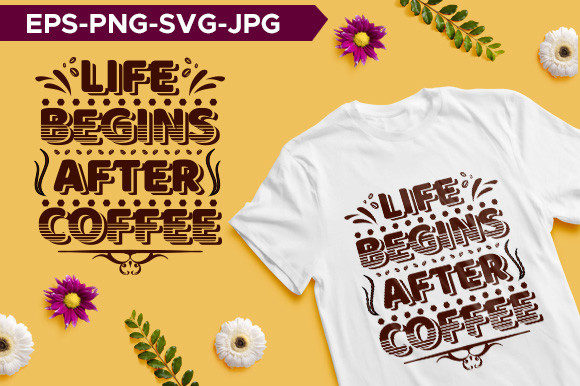
Life Begins After Coffee Typography immediately evokes a sense of casual confidence. The font is bold, slightly stylized, and clearly legible—perfect for anyone looking to make a statement. The layout is straightforward, with the text centered and balanced, making it ideal for a wide range of applications. It feels like a design that would resonate with coffee enthusiasts, whether they’re running a small shop, crafting personalized gifts, or simply wanting to express their love for the morning ritual.
The design’s simplicity makes it versatile. It doesn’t have intricate details that might complicate stitching, but it also doesn’t feel too basic. It strikes a balance between being eye-catching and easy to work with, which is crucial for embroidery designers and small business owners who want to offer quality products without overcomplicating the process.
Real-Life Embroidery Scenarios: Where It Works Best
Imagine you're preparing a custom embroidered tote bag for a client who wants something unique yet professional. Life Begins After Coffee Typography could be the perfect fit. The design would look great on a cotton canvas tote, especially if paired with a contrasting thread color. It’s also well-suited for sweatshirts, t-shirts, and even baby onesies where a clean, readable font is essential.
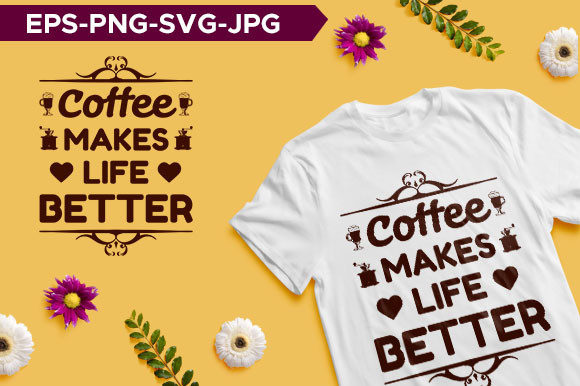
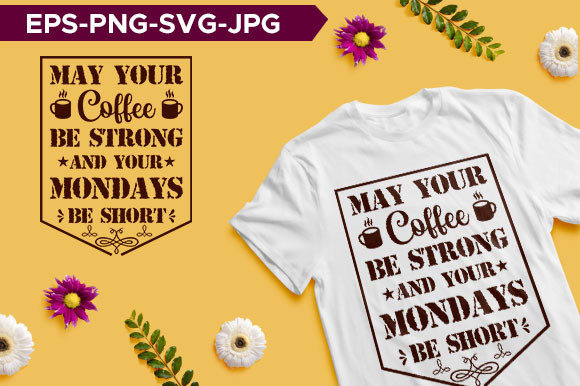
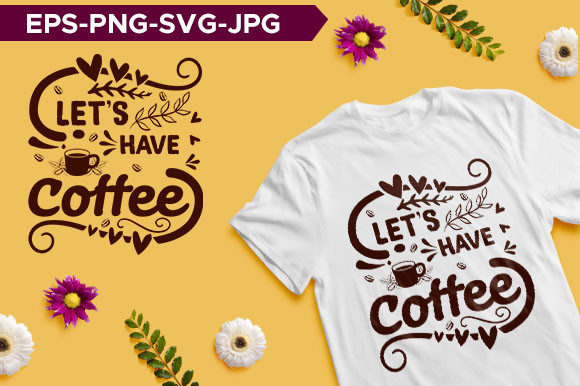
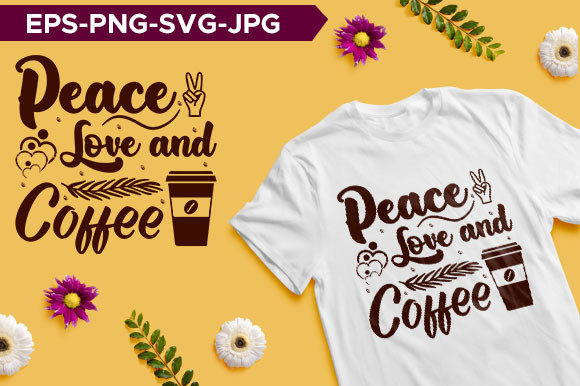
For craft businesses and Etsy sellers, this design could be a strong addition to a printable mockup collection. It works well as a digital product preview, allowing buyers to see how it would look on different items before purchasing. As a T-shirt design, it’s likely to perform well in both personal and commercial settings, provided the user checks for proper licensing and compatibility.
When used on patches or embroidered caps, the design maintains its clarity, though care must be taken with smaller hoop sizes. The lettering is large enough to avoid issues with tiny details, but if you're planning to use it on a cap, you’ll need to ensure the hoop size accommodates the full text without distortion.
Where to Be Careful: Limitations and Considerations
While Life Begins After Coffee Typography is a solid choice for many projects, there are areas where it may not perform as well. On thin or stretchy fabrics, the design might appear less defined, especially if the stabilizer isn’t properly applied. Dark fabrics can also pose a challenge if the thread color doesn’t contrast sufficiently. In such cases, testing the design on scrap fabric first is a good idea.
For embroidered baby items or delicate garments, the design’s boldness might be too much. In those cases, a more subtle font or a smaller scale might be preferable. Similarly, if you're planning to use this as part of a layered garment or a curved surface like a hat, you'll need to adjust the design accordingly to maintain visual harmony.
Another consideration is stitch density. If the design has dense areas, it could lead to puckering or stiffness on certain fabrics. Checking the stitch count and adjusting the design as needed can help prevent these issues. For applique designs or satin stitch applications, ensuring the file is optimized for those techniques is key.
Impact on Visual Appeal and Customer Perception
Embroidery is more than just a decorative element—it's a statement. Life Begins After Coffee Typography adds value to any finished product by offering a clear, recognizable message. When done right, it can elevate a handmade product, making it more appealing to customers who appreciate thoughtful design.
From a branding perspective, this design is consistent and professional. It’s the kind of piece that can be used across multiple items in a boutique or craft fair booth, reinforcing brand identity without overwhelming the viewer. For small shop products or Etsy listings, it provides a level of polish that can set a seller apart from competitors.
Customer trust is also influenced by how well a design is executed. A poorly stitched or mismatched design can turn off buyers, but when done correctly, Life Begins After Coffee Typography can enhance the perceived quality of a product. It’s a great example of how a simple design can still make a big impact when handled with care.
Practical Tips for Embroidery Designers
If you're planning to use Life Begins After Coffee Typography in your next project, here are a few practical steps to take:
- Test on scrap fabric: Always try the design on a similar material before committing to a final product.
- Check thread color contrast: Ensure the thread color complements the fabric and stands out appropriately.
- Review stitch density: Avoid overly dense areas that could cause fabric distortion or discomfort.
- Confirm hoop size: Make sure the design fits within your embroidery machine’s hoop dimensions.
- Inspect small details: Check for sharp corners or fine lines that might not translate well in stitch form.
- Use proper stabilizer: Stabilizer is crucial for maintaining the integrity of the design, especially on delicate or stretchy fabrics.
- Verify licensing: Confirm that the design is suitable for both personal and commercial use before selling finished items or digital products.
By following these steps, you can ensure that Life Begins After Coffee Typography looks its best and meets the expectations of your clients or customers.
Final Thoughts: A Design That Offers Value and Versatility
Life Begins After Coffee Typography is a well-balanced design that offers both visual appeal and practicality. It’s a solid choice for a wide range of embroidery projects, from custom apparel to personalized gifts. While it has some limitations, particularly on certain fabrics or in tight spaces, its overall performance makes it a valuable addition to any designer’s toolkit.
Whether you're an Etsy seller, a craft business owner, or a creative entrepreneur, this design has the potential to enhance your offerings and connect with your audience. With careful consideration and proper execution, it can become a staple in your embroidery project lineup.