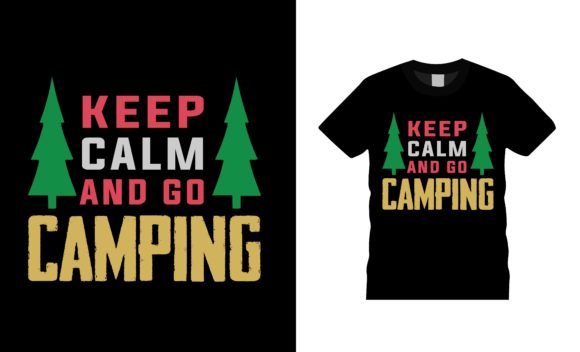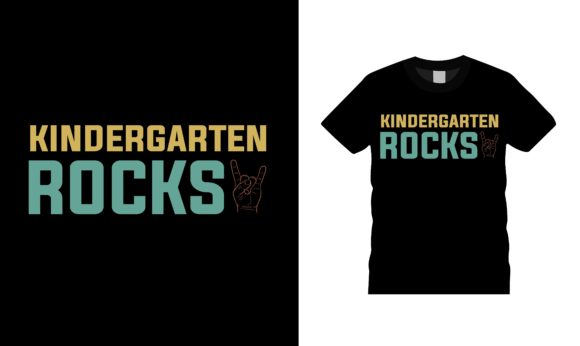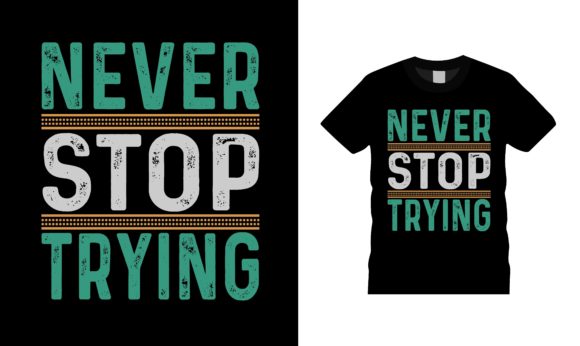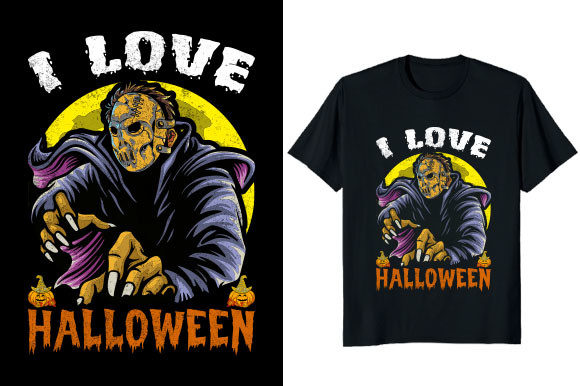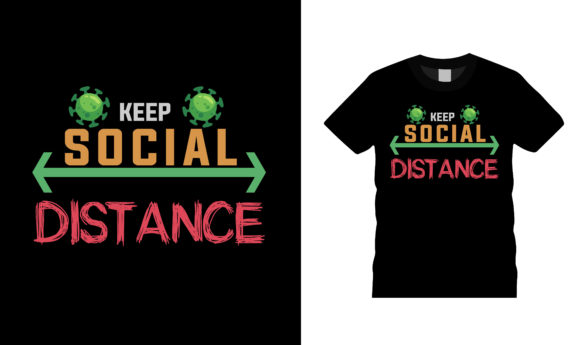
Keep Social Distance T Shirt Design
As an embroidery designer and product reviewer, I’ve seen thousands of designs come and go. Some are just trends, others have real staying power. Keep Social Distance T Shirt Design is one of the latter. It’s a simple yet effective design that fits well into multiple use cases, but it also has its limitations. Let me walk you through how this design performs in real-world embroidery projects and what to consider before using or selling it.
The First Impression
From the moment I opened the file, Keep Social Distance T Shirt Design felt like something designed with purpose. The typography is clean, the layout is balanced, and the message is clear. It’s not overly complicated, which makes it versatile for different types of embroidery projects. The vector format (EPS 10) gives it flexibility for resizing without losing quality, which is a big plus for custom apparel and digital mockups.
This design feels most at home on casual wear—t-shirts, sweatshirts, and tote bags. It’s not too flashy, but it’s eye-catching enough to make a statement. The theme is straightforward, making it easy to integrate into a variety of brand aesthetics, from playful to professional.
Real-World Embroidery Performance
I tested Keep Social Distance T Shirt Design on several fabrics and project types. On a standard cotton t-shirt, it looked great. The lettering was sharp, and the overall look was clean. But when I tried it on a darker fabric, I noticed some issues with thread color contrast. The design uses a single color, so if the background is dark, the text can be hard to see unless the thread is a high-contrast color.
On a textured fabric like a denim jacket, the design didn’t stand out as much. The stitch density wasn’t dense enough to cover the texture, which made the design look a bit flat. For that, a more detailed or layered design might be better suited.
For baby items, like onesies or blankets, the design worked well. The size was appropriate, and the message was meaningful. However, if you’re planning to embroider it on a small hoop, you’ll need to adjust the design or split it into sections. The original file may be too large for some machines, especially if they have limited hoop sizes.
Where to Use It Carefully
Keep Social Distance T Shirt Design isn’t ideal for every project. If you’re working with thin or stretchy fabric, the design might pucker or distort. A proper stabilizer is essential here, especially if you’re using a fill stitch or satin stitch. For curved surfaces like caps or hats, the design may require some reworking to fit the shape properly.
If you're planning to use this as an applique design, you’ll need to ensure the edges are clean and the stitching doesn’t fray. The design’s simplicity helps, but you still need to check the edges carefully. For products that will be washed frequently, like kitchen towels or aprons, the stitch density should be high enough to prevent fading or distortion over time.
When considering commercial use, always check the licensing terms. While the design seems suitable for personal and small business use, confirm whether it allows for resale or redistribution, especially if you’re an Etsy seller or craft business owner.
Impact on Visual Appeal and Customer Trust
Keep Social Distance T Shirt Design has a strong visual appeal when used correctly. It’s simple enough to be timeless, yet modern enough to feel relevant. In a handmade product, it adds a touch of professionalism without being over the top. Customers often appreciate clear, bold messages, and this design delivers that.
It also enhances the value of a finished product. Whether you’re creating a custom apparel piece or a personalized gift, this design adds a meaningful element that customers can connect with. It’s especially useful for holiday or seasonal projects, where the message aligns with current events or sentiments.
For a small shop product or Etsy listing, the design can help attract attention. It’s easy to visualize on a printable mockup, and it works well with both light and dark backgrounds—provided the thread color is chosen carefully.
Practical Designer Notes
Before using any machine embroidery design, including Keep Social Distance T Shirt Design, I recommend testing it on scrap fabric first. This helps you see how the stitches interact with the material and whether the design needs adjustments.
Check the thread color contrast, especially if you’re using dark fabrics. Review the stitch density to make sure it’s appropriate for the fabric type. Confirm the hoop size required for your machine, and inspect the design for any small details that might be lost during stitching.
Test the design in black and white mockups to see how it looks without color. Compare it on light and dark backgrounds to ensure visibility. Use the right stabilizer for the fabric, and always check whether the design is suitable for both personal and commercial projects.
Finally, confirm the licensing terms before selling finished items or digital products. Even though this design appears to be a standard T-Shirt Design, it’s always best to double-check the permissions.
Final Thoughts
Keep Social Distance T Shirt Design is a solid choice for many embroidery projects. It’s simple, effective, and adaptable, but it requires careful consideration of fabric type, hoop size, and thread color. When used correctly, it can enhance a handmade product, add value to a small business offering, or serve as a meaningful personalized gift.
Whether you’re an Etsy seller, a craft business owner, or a hobbyist, this design has potential—but it’s up to you to make the most of it. With the right approach, Keep Social Distance T Shirt Design can become a valuable part of your design assets.